Warning: A non-numeric value encountered in
/data/vhosts/tradesecurely.ca/tradesecurely.ca/wp-content/themes/lineza/inc/review.php on line
21
Warning: A non-numeric value encountered in
/data/vhosts/tradesecurely.ca/tradesecurely.ca/wp-content/themes/lineza/inc/review.php on line
22
Warning: A non-numeric value encountered in
/data/vhosts/tradesecurely.ca/tradesecurely.ca/wp-content/themes/lineza/inc/review.php on line
23
Warning: A non-numeric value encountered in
/data/vhosts/tradesecurely.ca/tradesecurely.ca/wp-content/themes/lineza/inc/review.php on line
24
Warning: A non-numeric value encountered in
/data/vhosts/tradesecurely.ca/tradesecurely.ca/wp-content/themes/lineza/inc/review.php on line
25
Warning: A non-numeric value encountered in
/data/vhosts/tradesecurely.ca/tradesecurely.ca/wp-content/themes/lineza/inc/review.php on line
26
Transport in a zero carbon EU: Pathways and opportunities
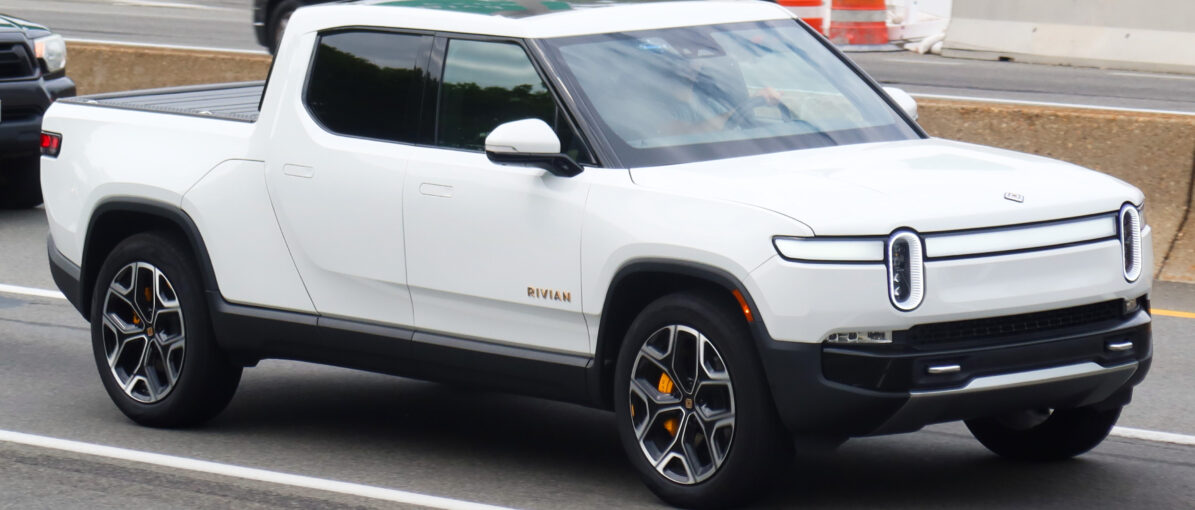
The proposed Fit for 55 legislation aims to cut the transport sector’s dependence on fossil fuels by promoting clean and emission-free technologies and alternative fuels. However, analysis shows that achieving the 1.5°C global warming limit may require up to 14 years of implementation and an investment of EUR75bn per year until 2030. In the road transport sector, this means an additional EUR4bn in investments annually until 2030. The road transportation sector has significant potential for decarbonization and accounted for 71% of EU transportation emissions in 2018. Electric and hydrogen-fueled vehicles will play a crucial role in this transition, but the electric charging infrastructure must increase four-fold to keep up with electric vehicle growth.
Learn more here:
https://www.allianz.com/en/economic_research/publications/specials_fmo/2021_11_03_TransportZeroCarbonEU.html